

Detoxing From Alcohol - What You Need to Know
The process of removing alcohol from your body is a process that can begin within a few hours following your last drink. It is necessary for your body to reset its chemistry and begin healing.
It is risky and even life-threatening to try to detox yourself on your own. It is always best to undergo alcohol detox under medical supervision.
1. Eat a Healthy Diet
A balanced diet is necessary for the body to live. The aim is to replenish deficiencies in nutrients to ease symptoms and aid the body's natural detox process.
The best food choices to detox from alcohol include whole grains, fruits and vegetables. These foods provide energy and B vitamins which are depleted due to drinking alcohol for long periods of time. They are also rich in fiber, which helps to maintain healthy gut bacteria. private alcohol detox , poultry, leafy veggies as well as nuts, lentils, beans, eggs, and dairy are all important foods. These are all excellent sources of protein, which is crucial to regulate blood sugar levels as well as providing amino acids that help prevent cravings and withdrawal symptoms.
Fruits and vegetables are great sources of vitamins A and C. A variety of colors can help enhance the appearance of a plate, and they are rich in antioxidants, which protect against cell damage. They also provide essential minerals such as potassium, calcium and zinc. They are great as snacks or a meal-time snack and can be eaten at any time.
Vegetables are a healthy addition to any diet and are particularly crucial when someone is trying to detox from alcohol. They are a rich source of minerals and vitamins that are vital for a healthy, happy body, such as beta-carotene, vitamin C, and other vitamins.
Foods high in fatty acids can also be beneficial for alcohol detox. These foods can reduce depression, anxiety, and mood swings. They also support the kidneys and liver which are vital organs for detoxification. A few fatty acid-rich food items to consume include avocados, chia seeds, nuts and seeds, flax seed, hemp seeds, walnuts and flax.
When a person is trying a detox from alcohol, it's important to drink plenty of fluids. Dehydration can cause withdrawal symptoms to worsen and make them more difficult to manage. This is especially true when people are experiencing vomiting, diarrhea or sweating. For this reason, it's advised to drink fluids such as herbal teas and water throughout the day.
2. Move Your Body
When you are in alcohol detox, it is essential to exercise regularly. This will improve your energy levels and mood and it will also help you feel better about yourself, particularly if you have been struggling with self-pity because of your drinking habits. Start by registering for an exercise membership and taking part in group classes or you can join a recreational sports club to meet people who share similar interests to those you have. Exercise has been shown to be a successful method to combat a wide range of mental and physical ailments which includes addiction.
If you suddenly stop drinking, your body could be suffering from severe withdrawal symptoms. These could include tremors insomnia, seizures, hallucinations as well as a surge in heart rate and blood pressure as well as death. You are more likely to experience these dangerous withdrawal symptoms if a frequent drinker. It is essential to select an detox center that provides medically assisted withdrawal.
In an inpatient treatment program you will receive 24/7 support from a team of medical professionals who will be monitoring your condition and prescribe medication to alleviate your withdrawal symptoms. Benzodiazepines are often used to treat withdrawal symptoms arising from alcohol detox because they are very effective at calming the central nervous system. They can be prescribed in long-acting medications such as chlordiazepoxide (Librium), or short-acting medications like alprazolam, (Xanax).
Detox is only the first step of your recovery journey but it is a crucial step. You'll have to continue your treatment through treatment for addiction, including behavioral therapy, and other types of addiction treatment to ensure you stay sober for the duration of your recovery.
Please contact Ria Health today to learn more about the alcohol detox program. We can connect you to an experienced addiction specialist who can assist you in finding the right detox option and start your recovery journey. The earlier you begin your recovery, the sooner you'll have a better chance of achieving a lifetime of sobriety.
3. Stay hydrated
It might seem obvious, but drinking water is crucial for detoxing alcohol. Dehydration is common during withdrawal and many are not able to drink or eat due to the symptoms. It is important to drink fluids in order to stay well-hydrated. You can drink water, juice and broths, ice pops and gelatin. Avoid sugary drinks, coffee and salty foods that could cause dehydration.
Many people who drink alcohol or drink heavily suffer from low levels of minerals, vitamins and nutrients. Alcohol can cause the body to lose many essential nutrients, such as vitamin A C, B and A. A diet that is rich in vegetables, fruits and whole grains can aid in replenishing vitamins lost during alcohol detox.
It's important to consume sufficient amounts of fat and protein to detoxify from healthy sources. These proteins can be obtained from lean meats, eggs or fish, as well as nuts. Hummus and avocados are excellent sources of fats. The best source of these can be found in unprocessed, whole food items.
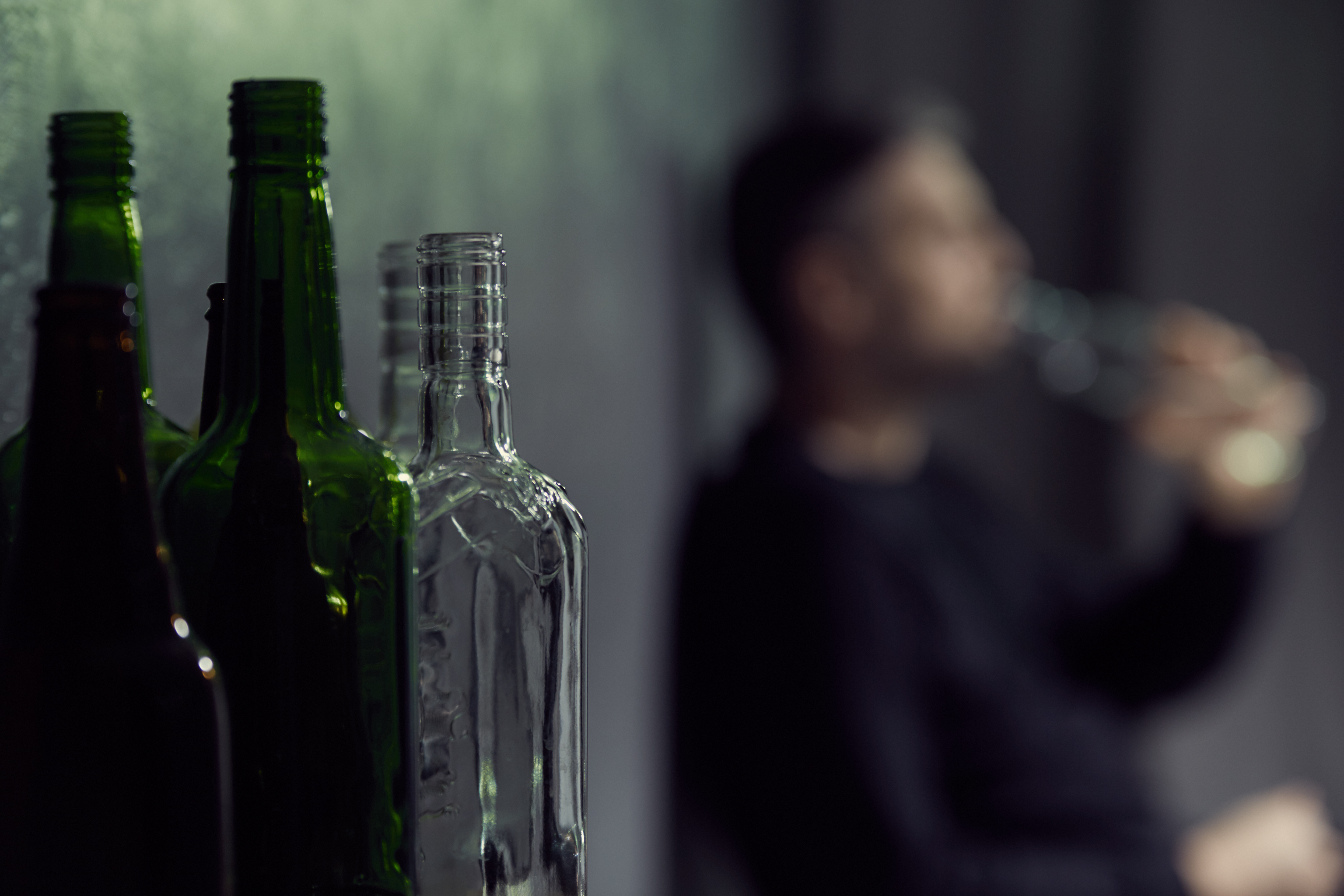
The detox process can be extremely painful and difficult to get through, especially if you've been drinking heavily for a prolonged period of time. Therefore, it's often best to undergo detox at a medically supervised facility. In this way, a trained medical professional can track your heart rate, blood pressure and other vital signs to ensure that you're safe and comfortable throughout the process.
Alcohol withdrawal symptoms are typically most severe between 24 and 48 hours after the last drink. These symptoms may include tremors, anxiety, and insomnia, but they can also trigger the life-threatening medical emergency known as delirium tremens. The tremors are caused by hallucinations, and can be fatal when not treated with medication.
private alcohol detox has many advantages, even though it can be difficult to quit drinking. Understanding these benefits will help you stay focused throughout the detox process. how to alcohol detox at home are better physical health, mental clarity, better relationships, and much more.
4. Do not drink. Alcohol
It is crucial that someone who is who is detoxing from alcohol avoids drinking at all at all costs. This can be a challenge for many people to accomplish particularly if they've been drinking a lot for a long period of time or are suffering from severe withdrawal symptoms such as seizures or delirium. The best way to quit drinking is to talk to an experienced medical professional or treatment center that can guide you through the process.
It is also important to have your family and friends keep an eye on you throughout the detoxification process. This will enable them to call emergency services in the event of need. Many people have difficulty quitting on their own, however having support from others can make the experience much more manageable.
A healthy diet can be beneficial during alcohol withdrawal as it supplies the body with the nutrients it requires. Avoid junk food as it is often high in sugar and fats, which will make your body stressed during detox. Try eating more whole foods like fruits vegetables, whole grains and lean fish and meats.
Water is an excellent way to stay hydrated and ease withdrawal symptoms from alcohol. Drink three litres per day of water, and then switch to tea, coffee, or squash in lieu of caffeinated beverages.
A healthy diet can aid in detoxification of the body by providing the required vitamins and minerals. Alcohol can deplete your body of vitamin B. To counter this, eat foods rich in this nutrient such as salmon and poultry, dairy products and dark leafy greens. whole grains, and dairy products.
Inpatient treatment is a great option for those looking to detoxify from alcohol. It can provide the 24-hour care they require to manage withdrawal symptoms and avoid complications. There are numerous outpatient options available for those who don't wish to undergo inpatient care.
Alcohol abuse can cause numerous negative health effects, including liver disease and brain damage, heart damage as well as a decrease in immune function and depression. Alcohol can also harm a pregnant woman or a breastfeeding mother.